Sales Portfolio

Discover Nature's Essence

Botanicals

Botanical Country Availability Products
Canada
Feb – May
💧 Floral Water 🌱 Essential Oil 🌍 Biomass
Jul – Oct
💧 Floral Water 🌱 Essential Oil 🌍 Biomass
Nov – Dec
💧 Floral Water 🌱 Essential Oil 🌍 Biomass
Jul – Sep
💧 Floral Water 🌱 Essential Oil 🌍 Biomass
Jan – Dec
💧 Floral Water 🌱 Essential Oil 🌍 Biomass
Jan – Dec
💧 Floral Water 🌱 Essential Oil 🌍 Biomass
Jun – Jul
💧 Floral Water 🌱 Essential Oil 🌍 Biomass
May – Dec
💧 Floral Water 🌱 Essential Oil 🌍 Biomass
Jul – Dec
💧 Floral Water 🌱 Essential Oil 🌍 Biomass
Oct – Nov
💧 Floral Water 🌱 Essential Oil 🌍 Biomass
Jan – Dec
💧 Floral Water 🌱 Essential Oil 🌍 Biomass
Jun – Jul
💧 Floral Water 🌱 Essential Oil 🌍 Biomass
Jun – Jul
💧 Floral Water 🌱 Essential Oil 🌍 Biomass
Jul
💧 Floral Water 🌱 Essential Oil 🌍 Biomass
Jun
💧 Floral Water 🌱 Essential Oil 🌍 Biomass
Jan – Dec
💧 Floral Water 🌱 Essential Oil 🌍 Biomass
May – Dec
💧 Floral Water 🌱 Essential Oil 🌍 Biomass
Sep
💧 Floral Water 🌱 Essential Oil 🌍 Biomass
Aug
💧 Floral Water 🌱 Essential Oil 🌍 Biomass
Jul
💧 Floral Water 🌱 Essential Oil 🌍 Biomass
Aug
💧 Floral Water 🌱 Essential Oil 🌍 Biomass
May – Dec
💧 Floral Water 🌱 Essential Oil 🌍 Biomass
May – Dec
💧 Floral Water 🌱 Essential Oil 🌍 Biomass
Aug
💧 Floral Water 🌱 Essential Oil 🌍 Biomass
Jun – Jul
💧 Floral Water 🌱 Essential Oil 🌍 Biomass
Sep
💧 Floral Water 🌱 Essential Oil 🌍 Biomass
Jun – Jul
💧 Floral Water 🌱 Essential Oil 🌍 Biomass
Jan – Jun
💧 Floral Water 🌱 Essential Oil 🌍 Biomass
Aug
💧 Floral Water 🌱 Essential Oil 🌍 Biomass
Jul
💧 Floral Water 🌱 Essential Oil 🌍 Biomass

Canada

Croatia

Ecuador

Dorado Azul

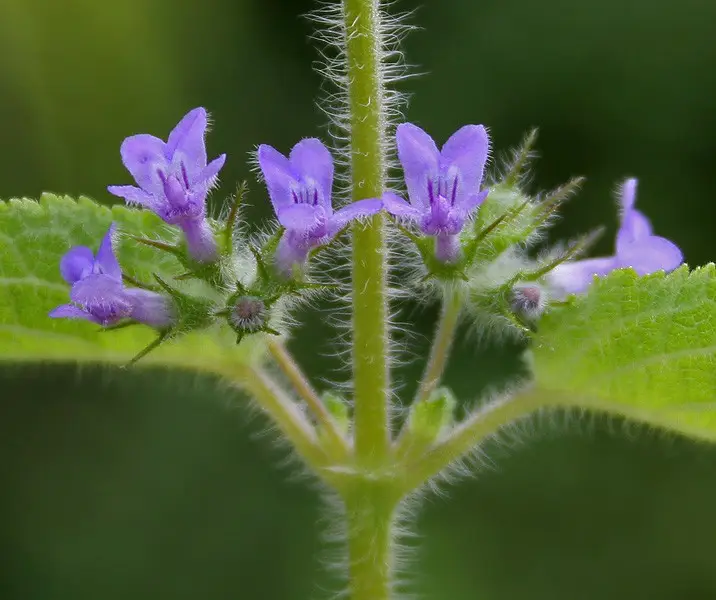
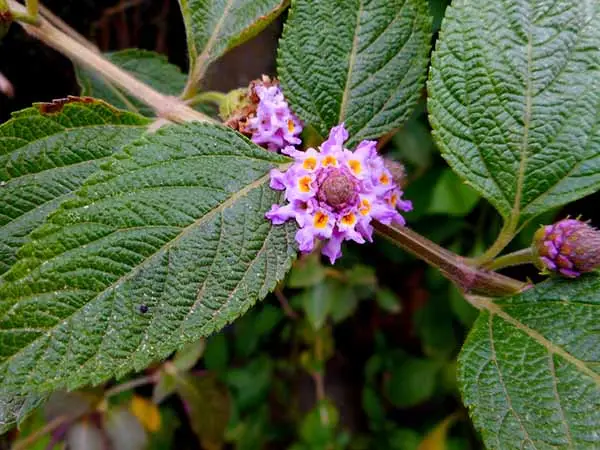
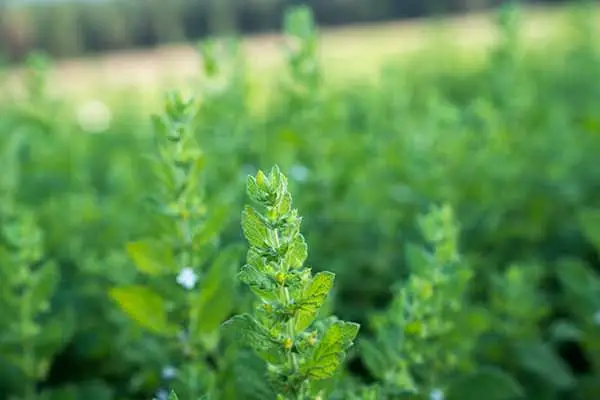
Hyptis suaveolens

Hyptis suaveolens (L.) poit, a rigid sweetly aromatic herb belongs to the family (Lamiales: Lamiaceae) is a native of tropical America. The stems of the plant are four-angled, velvety, having long hairs and gland dots. The leaves are opposite and ovate, about 2.5 to 10cm long. Leaves are often purple tinged particularly on the margin. The flowers are auxiliary with long stalk, hairy calyx and about 4mm long. They are often dark purple and glandular. The corolla is two-lipped, mauve with dark purple lines at the base of the broad two-lobed upper lip. The seeds are flat and mucilaginous.

Harvest Times: Jan - Dec

Products Produced:

Herbal distillates, also known as floral

waters, hydrosols, hydrolates, herbal

waters, and essential waters, are aqueous

products of hydrodistillation.

They are colloidal suspensions of

essential oils as

well as water-soluble components

obtained by steam distillation or

hydrodistillation from plants and herbs.

Floral Water

An essential oil is a concentrated

hydrophobic liquid containing

volatile chemical compounds from

plants. Essential oils

are also known as volatile oils,

ethereal oils, aetheroleum, or

simplyas the oil of the

plant from which they

were extracted, such as

oil of clove.

Essential Oils

Biomass, in the context of energy

production, is matter from recently

living organisms which is used for

bioenergy production. Examples include

wood, wood residues, energy crops,

agricultural residues including straw,

and organic waste from industry

and households.

Biomass

Certifications:

Ocotea

Ocotea quixos

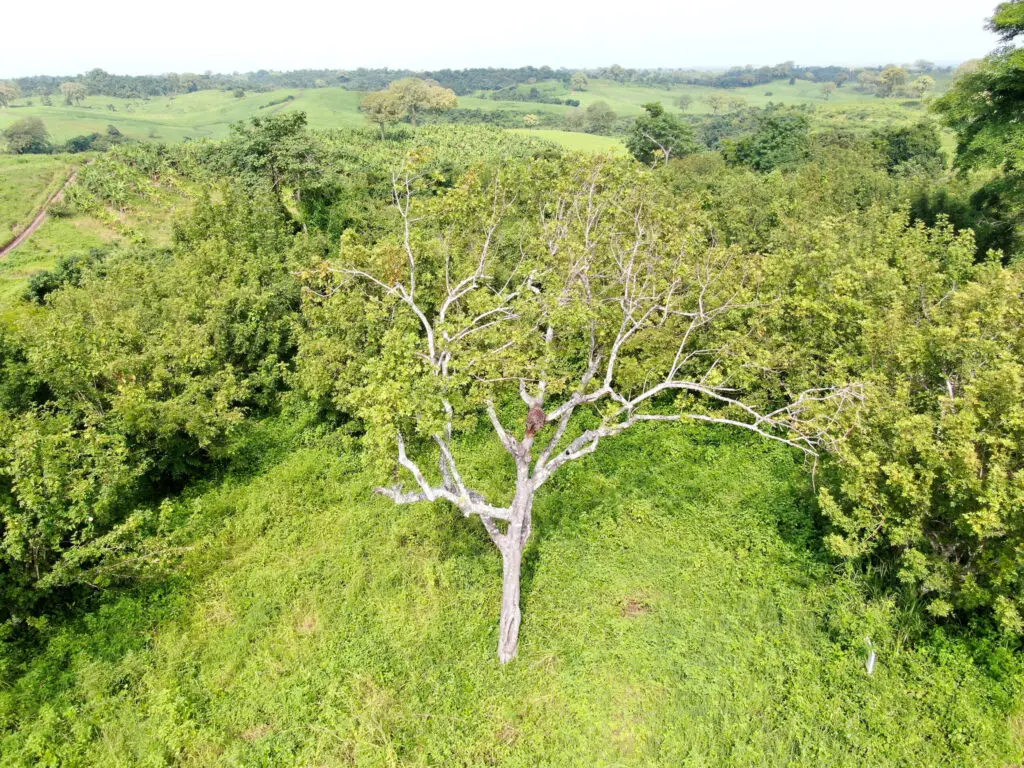
Ocotea quixos (Lauraceae) is a medium-sized tree native to Amazonian Ecuador and neighboring countries, widely distributed in the Andean and Amazonian regions between 0-1000 m a.s.l., especially in the Amazonian provinces of Napo and Sucumbios. The tree produces biennial big and woody flower calices, locally called Ishpingo [8]. The Ocotea quixos plant is a tree that can measure up to 25 m in height and 80 cm in diameter; its flowers are small and green-ish-white in color, and its leaves are up to 15 cm long with a dark-green beam. The fruits are approximately 5 cm long and yellowish-green in color.

Harvest Times: Jan - Dec

Harvest Times Ishpingo: Oct

Products Produced:

Herbal distillates, also known as floral

waters, hydrosols, hydrolates, herbal

waters, and essential waters, are aqueous

products of hydrodistillation.

They are colloidal suspensions of

essential oils as

well as water-soluble components

obtained by steam distillation or

hydrodistillation from plants and herbs.

Floral Water

An essential oil is a concentrated

hydrophobic liquid containing

volatile chemical compounds from

plants. Essential oils

are also known as volatile oils,

ethereal oils, aetheroleum, or

simplyas the oil of the

plant from which they

were extracted, such as

oil of clove.

Essential Oils

Biomass, in the context of energy

production, is matter from recently

living organisms which is used for

bioenergy production. Examples include

wood, wood residues, energy crops,

agricultural residues including straw,

and organic waste from industry

and households.

Biomass

Certifications:

France

Clary Sage

Salvia sclarea

Clary sage is a biennial plant, native to southern Europe that easily self-seeds in the garden. The winter rosette has a relatively mild fragrance, but the entire inflorescence, reaching up to 39 inches (1 m) in height and displaying white or pink flowers accompanied by leafy bracts, possesses a distinct and overpowering amber-lavender scent. The leaves are broadly ovate, with a heart-shaped base, and measure approximately 3 to 5 inches (8 to 14 cm) in length. While some forms are characterized by long bracts, the seed offerings of this variety in the market do not differ significantly from standard clary sage seed lots [37].

Harvest Times: Jun - Jul

Products Produced:

Herbal distillates, also known as floral

waters, hydrosols, hydrolates, herbal

waters, and essential waters, are aqueous

products of hydrodistillation.

They are colloidal suspensions of

essential oils as

well as water-soluble components

obtained by steam distillation or

hydrodistillation from plants and herbs.

Floral Water

An essential oil is a concentrated

hydrophobic liquid containing

volatile chemical compounds from

plants. Essential oils

are also known as volatile oils,

ethereal oils, aetheroleum, or

simplyas the oil of the

plant from which they

were extracted, such as

oil of clove.

Essential Oils

Biomass, in the context of energy

production, is matter from recently

living organisms which is used for

bioenergy production. Examples include

wood, wood residues, energy crops,

agricultural residues including straw,

and organic waste from industry

and households.

Biomass

Certifications:

Lavender

Lavandula angustifolia

Lavandula angustifolia (Lamiaceae), commonly known as “lavender”, is an aromatic bush, typically reaching a height of 50–60 centimeters, al- though certain cultivars have the potential to attain greater stature. Calyx thirteen-nerved, with small circular appendage. Corolla strongly bilater- al symmetrical, nearly twice the length of calyx with prominent lobes, shades of blue/mauve, white, rarely violet pink in color. Native to SW and South Central Europe (Italy, France and Spain) in mountainous areas usually over 1500 m, but widely cultivated and sometimes naturalized elsewhere.

Harvest Times: Jun

Products Produced:

Herbal distillates, also known as floral

waters, hydrosols, hydrolates, herbal

waters, and essential waters, are aqueous

products of hydrodistillation.

They are colloidal suspensions of

essential oils as

well as water-soluble components

obtained by steam distillation or

hydrodistillation from plants and herbs.

Floral Water

An essential oil is a concentrated

hydrophobic liquid containing

volatile chemical compounds from

plants. Essential oils

are also known as volatile oils,

ethereal oils, aetheroleum, or

simplyas the oil of the

plant from which they

were extracted, such as

oil of clove.

Essential Oils

Biomass, in the context of energy

production, is matter from recently

living organisms which is used for

bioenergy production. Examples include

wood, wood residues, energy crops,

agricultural residues including straw,

and organic waste from industry

and households.

Biomass

Certifications:

Rosemary

Rosmarinus officinalis

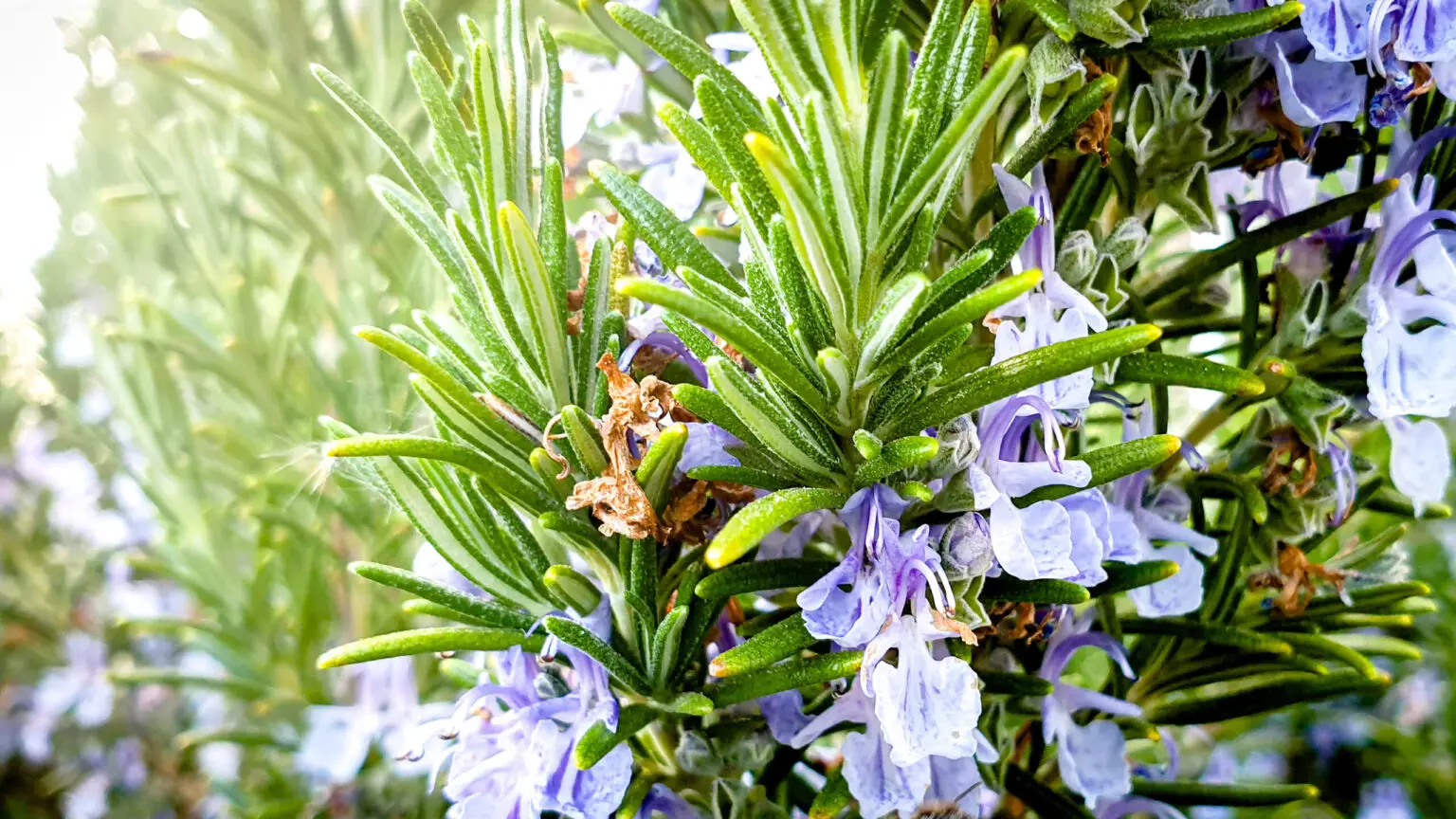
Rosmarinus officinalis L., commonly known as Rosemary, belongs to the mint family (Lamiaceae) and it is indigenous to the southern regions of Europe [40]. R. officinalis constitutes an aromatic, lignified, predominantly upright, evergreen heliophilous perennial shrub that thrives in sandy soils or on arid and stony inclines in close proximity to the ocean, under unobstructed sunlight. This species can attain a height of up to 2 meters, featuring leaves akin to needles imbued with a menthol fragrance, extending 2-3 centimeters in length [41].

Harvest Times: Jun

Products Produced:

Herbal distillates, also known as floral

waters, hydrosols, hydrolates, herbal

waters, and essential waters, are aqueous

products of hydrodistillation.

They are colloidal suspensions of

essential oils as

well as water-soluble components

obtained by steam distillation or

hydrodistillation from plants and herbs.

Floral Water

An essential oil is a concentrated

hydrophobic liquid containing

volatile chemical compounds from

plants. Essential oils

are also known as volatile oils,

ethereal oils, aetheroleum, or

simplyas the oil of the

plant from which they

were extracted, such as

oil of clove.

Essential Oils

Biomass, in the context of energy

production, is matter from recently

living organisms which is used for

bioenergy production. Examples include

wood, wood residues, energy crops,

agricultural residues including straw,

and organic waste from industry

and households.

Biomass

Certifications:

Japan

Shell Ginger

Alpinia zerumbet

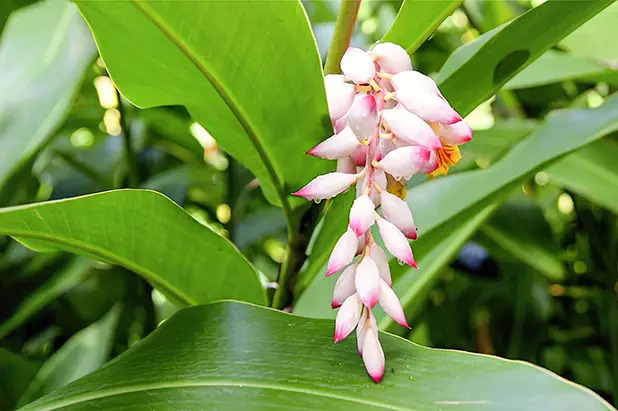
Alpinia zerumbet commonly referred to as “shell ginger” in English and “getto” in Japanese, is a perennial plant indigenous to the subtropical and tropical territories of East Asia. Specifically, its distribution encompasses the Nansei archipelago, which is situated amidst the Pacific Ocean and the East China Sea in Japan. Shell ginger is a perennial herbaceous plant characterized by its rhizomes, which exude a distinct ginger aroma when sliced. The plant exhibits bifacial, slender leaves that span approximately 25–35 cm in length. Often cultivated as a compact indoor plant, its beautiful flowers display a pink hue in their budding stage and bear a resemblance to seashells. The spherical fruits of A. zerumbet feature striations and transition from an initial yellow hue to a vibrant red as they reach maturity.

Harvest Times: Jan - Dec

Products Produced:

Herbal distillates, also known as floral

waters, hydrosols, hydrolates, herbal

waters, and essential waters, are aqueous

products of hydrodistillation.

They are colloidal suspensions of

essential oils as

well as water-soluble components

obtained by steam distillation or

hydrodistillation from plants and herbs.

Floral Water

An essential oil is a concentrated

hydrophobic liquid containing

volatile chemical compounds from

plants. Essential oils

are also known as volatile oils,

ethereal oils, aetheroleum, or

simplyas the oil of the

plant from which they

were extracted, such as

oil of clove.

Essential Oils

Biomass, in the context of energy

production, is matter from recently

living organisms which is used for

bioenergy production. Examples include

wood, wood residues, energy crops,

agricultural residues including straw,

and organic waste from industry

and households.

Biomass

United States, Central Idaho

Lavender

Lavandula angustifolia

Lavandula angustifolia (Lamiaceae), commonly known as “lavender”, is an aromatic bush, typically reaching a height of 50–60 centimeters, al- though certain cultivars have the potential to attain greater stature. Calyx thirteen-nerved, with small circular appendage. Corolla strongly bilater- al symmetrical, nearly twice the length of calyx with prominent lobes, shades of blue/mauve, white, rarely violet pink in color. Native to SW and South Central Europe (Italy, France and Spain) in mountainous areas usually over 1500 m, but widely cultivated and sometimes naturalized elsewhere.

Harvest Times: Aug

Products Produced:

Herbal distillates, also known as floral

waters, hydrosols, hydrolates, herbal

waters, and essential waters, are aqueous

products of hydrodistillation.

They are colloidal suspensions of

essential oils as

well as water-soluble components

obtained by steam distillation or

hydrodistillation from plants and herbs.

Floral Water

An essential oil is a concentrated

hydrophobic liquid containing

volatile chemical compounds from

plants. Essential oils

are also known as volatile oils,

ethereal oils, aetheroleum, or

simplyas the oil of the

plant from which they

were extracted, such as

oil of clove.

Essential Oils

Biomass, in the context of energy

production, is matter from recently

living organisms which is used for

bioenergy production. Examples include

wood, wood residues, energy crops,

agricultural residues including straw,

and organic waste from industry

and households.

Biomass

Certifications:

United States, North Idaho

Grand Fir

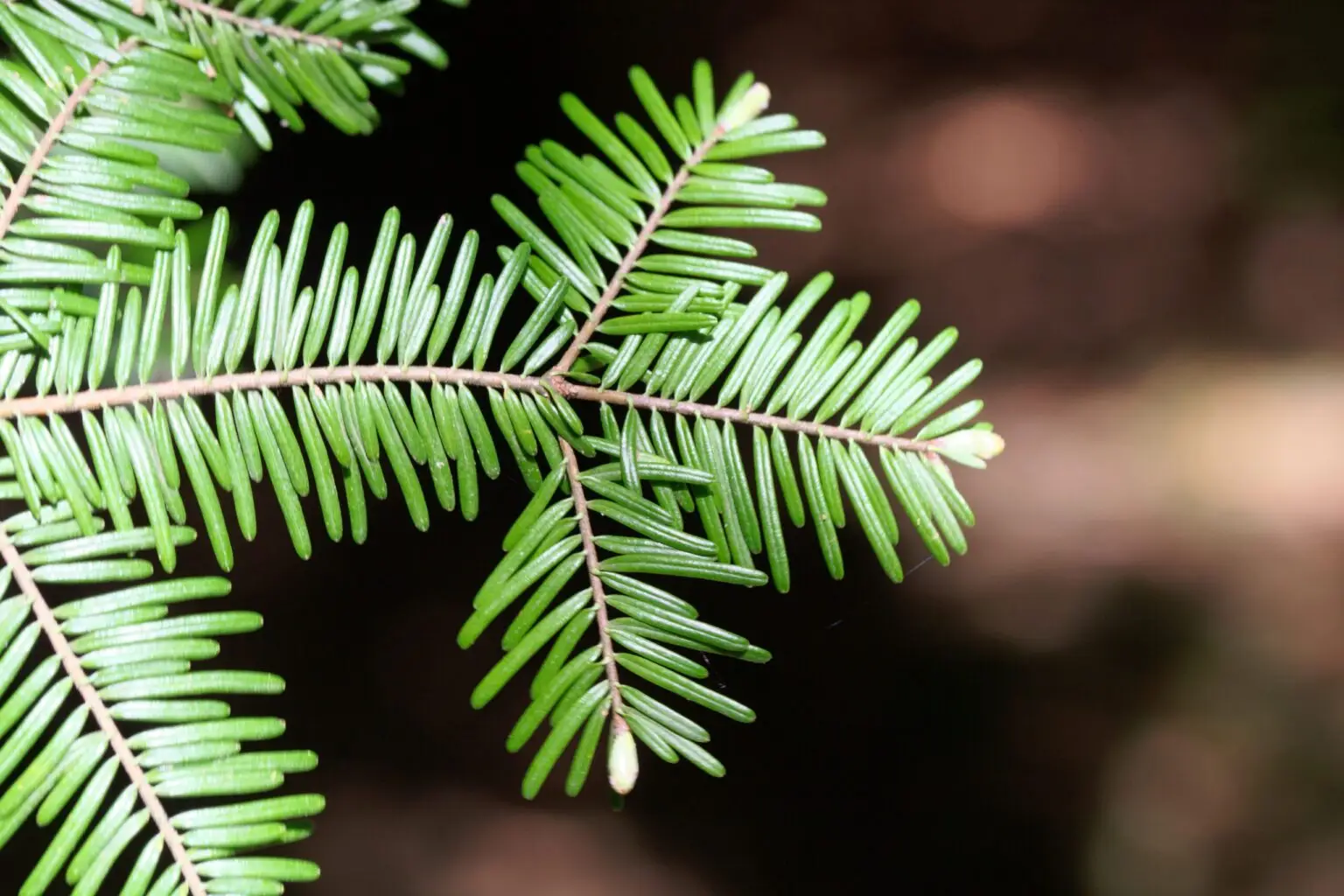
Abies grandis

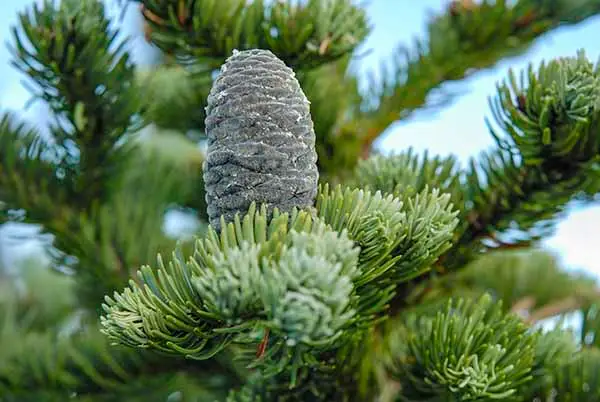
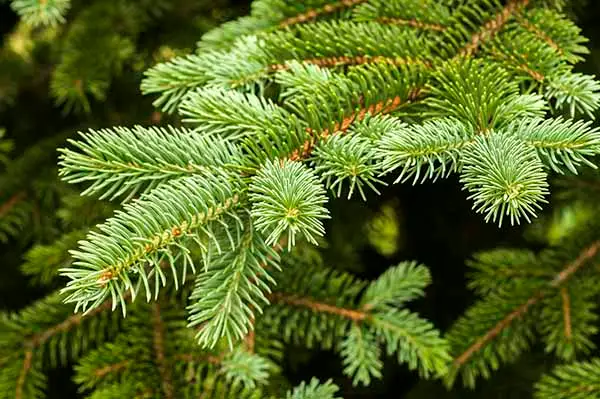
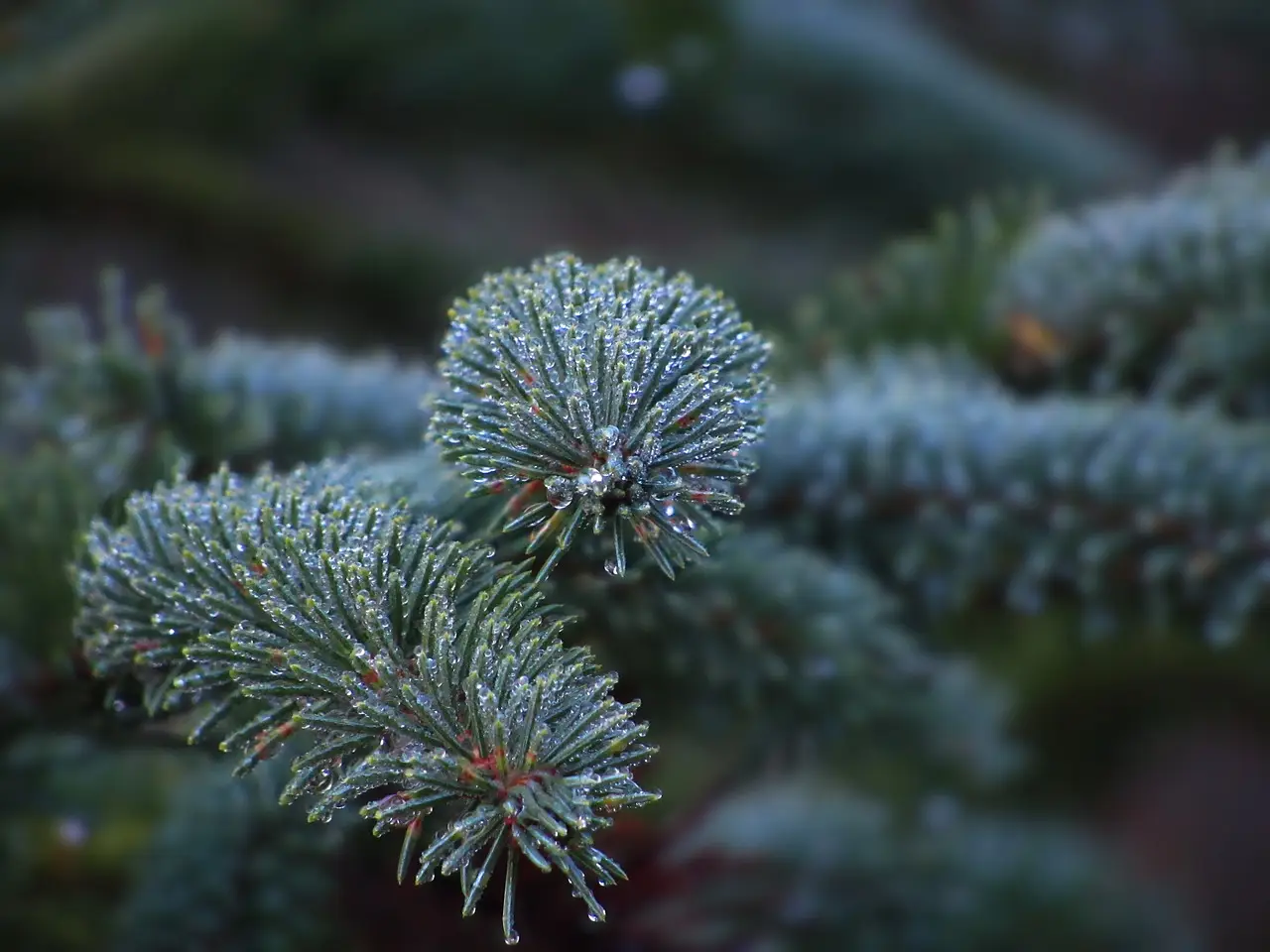
Abies grandis, commonly known as “Grand fir,” has a split distribution along the Pacific Coast from Southern British Columbia (Canada) to Northern California. It is predominantly a lowland tree species, growing along valleys and stream bottoms with high groundwater levels and occurring at elevations up to 1830 meters above sea level . This species is characterized by fast height growth of approximately 80 meters , having pointed needle tip shape, alternating longer and shorter needles [13–14]. Grand fir is shade tolerant and often takes a subordinate position in the stand when mixed with other inland species .

Harvest Times: May - Dec

Products Produced:

Herbal distillates, also known as floral

waters, hydrosols, hydrolates, herbal

waters, and essential waters, are aqueous

products of hydrodistillation.

They are colloidal suspensions of

essential oils as

well as water-soluble components

obtained by steam distillation or

hydrodistillation from plants and herbs.

Floral Water

An essential oil is a concentrated

hydrophobic liquid containing

volatile chemical compounds from

plants. Essential oils

are also known as volatile oils,

ethereal oils, aetheroleum, or

simplyas the oil of the

plant from which they

were extracted, such as

oil of clove.

Essential Oils

Biomass, in the context of energy

production, is matter from recently

living organisms which is used for

bioenergy production. Examples include

wood, wood residues, energy crops,

agricultural residues including straw,

and organic waste from industry

and households.

Biomass

Certifications:

United States, Mt. Nebo

Blue Yarrow

Achillea millefolium

Blue Yarrow, scientifically known as Achillea millefolium, is a hardy perennial herb celebrated for its vibrant blue to violet flowers and finely dissected foliage. Native to temperate regions of the Northern Hemisphere, it flourishes in full sun and well-drained soils. Blue Yarrow is drought-resistant, making it a robust choice for various landscapes. Its compact growth and appealing floral display make it a favored addition to gardens and wildflower meadows. Beyond its ornamental value, it’s known for its use in traditional herbal medicine.

Harvest Times: Aug

Products Produced:

Herbal distillates, also known as floral

waters, hydrosols, hydrolates, herbal

waters, and essential waters, are aqueous

products of hydrodistillation.

They are colloidal suspensions of

essential oils as

well as water-soluble components

obtained by steam distillation or

hydrodistillation from plants and herbs.

Floral Water

An essential oil is a concentrated

hydrophobic liquid containing

volatile chemical compounds from

plants. Essential oils

are also known as volatile oils,

ethereal oils, aetheroleum, or

simplyas the oil of the

plant from which they

were extracted, such as

oil of clove.

Essential Oils

Biomass, in the context of energy

production, is matter from recently

living organisms which is used for

bioenergy production. Examples include

wood, wood residues, energy crops,

agricultural residues including straw,

and organic waste from industry

and households.

Biomass

Certifications:

Clary Sage

Salvia sclarea

Clary sage is a biennial plant, native to southern Europe that easily self-seeds in the garden. The winter rosette has a relatively mild fragrance, but the entire inflorescence, reaching up to 39 inches (1 m) in height and displaying white or pink flowers accompanied by leafy bracts, possesses a distinct and overpowering amber-lavender scent. The leaves are broadly ovate, with a heart-shaped base, and measure approximately 3 to 5 inches (8 to 14 cm) in length. While some forms are characterized by long bracts, the seed offerings of this variety in the market do not differ significantly from standard clary sage seed lots [37].

Harvest Times: Jun - Jul

Products Produced:

Herbal distillates, also known as floral

waters, hydrosols, hydrolates, herbal

waters, and essential waters, are aqueous

products of hydrodistillation.

They are colloidal suspensions of

essential oils as

well as water-soluble components

obtained by steam distillation or

hydrodistillation from plants and herbs.

Floral Water

An essential oil is a concentrated

hydrophobic liquid containing

volatile chemical compounds from

plants. Essential oils

are also known as volatile oils,

ethereal oils, aetheroleum, or

simplyas the oil of the

plant from which they

were extracted, such as

oil of clove.

Essential Oils

Biomass, in the context of energy

production, is matter from recently

living organisms which is used for

bioenergy production. Examples include

wood, wood residues, energy crops,

agricultural residues including straw,

and organic waste from industry

and households.

Biomass

Certifications:

Lavender

Lavandula angustifolia

Lavandula angustifolia (Lamiaceae), commonly known as “lavender”, is an aromatic bush, typically reaching a height of 50–60 centimeters, al- though certain cultivars have the potential to attain greater stature. Calyx thirteen-nerved, with small circular appendage. Corolla strongly bilater- al symmetrical, nearly twice the length of calyx with prominent lobes, shades of blue/mauve, white, rarely violet pink in color. Native to SW and South Central Europe (Italy, France and Spain) in mountainous areas usually over 1500 m, but widely cultivated and sometimes naturalized elsewhere.

Harvest Times: Aug

Products Produced:

Herbal distillates, also known as floral

waters, hydrosols, hydrolates, herbal

waters, and essential waters, are aqueous

products of hydrodistillation.

They are colloidal suspensions of

essential oils as

well as water-soluble components

obtained by steam distillation or

hydrodistillation from plants and herbs.

Floral Water

An essential oil is a concentrated

hydrophobic liquid containing

volatile chemical compounds from

plants. Essential oils

are also known as volatile oils,

ethereal oils, aetheroleum, or

simplyas the oil of the

plant from which they

were extracted, such as

oil of clove.

Essential Oils

Biomass, in the context of energy

production, is matter from recently

living organisms which is used for

bioenergy production. Examples include

wood, wood residues, energy crops,

agricultural residues including straw,

and organic waste from industry

and households.

Biomass

Certifications:

Scroll to Top